Author: Sandra

  • Unlocking Growth: The Power of Affiliate Marketing for Your Business

    Unlocking Growth: The Power of Affiliate Marketing for Your Business

    Discover how to leverage affiliate partnerships to boost sales, expand your reach, and create a win-win ecosystem for your brand and affiliates.

    Let’s talk about affiliate marketing. Picture this: you’re a business owner, looking to boost your sales and expand your reach. You’ve tried traditional advertising, but it’s not quite cutting it. That’s where affiliate marketing comes in. It’s like having an army of salespeople working for you, but you only pay them when they actually bring in results. Pretty sweet deal, right?

    Now, affiliate marketing isn’t some newfangled concept. It’s been around for a while, but the internet has really kicked it into high gear. Basically, it’s a way for businesses to partner up with individuals or other companies to promote their products or services. These partners, called affiliates, use their own platforms – websites, social media, email lists, you name it – to spread the word about your offerings. And when someone makes a purchase through their unique link or code, the affiliate gets a cut of the sale.

    Think of it like this: you’re throwing a party, and you want it to be the talk of the town. Instead of trying to invite everyone yourself, you get your most charismatic friends to spread the word. They tell their friends, who tell their friends, and before you know it, your shindig is the hottest ticket in town. That’s essentially what affiliate marketing does for your business.

    Now, you might be wondering, “Why should I bother with affiliate marketing when I can just run some ads?” Well, let me tell you, it’s got some serious advantages. For one, it’s incredibly cost-effective. Unlike traditional advertising where you’re paying upfront and hoping for results, with affiliate marketing, you only shell out when you actually make a sale. It’s like having a performance-based sales team without the overhead.

    But it’s not just about saving money. Affiliate marketing can help you reach audiences you might never have tapped into otherwise. Your affiliates have their own loyal followers who trust their recommendations. When they vouch for your product, it carries a lot more weight than a faceless ad. It’s like getting a glowing review from a trusted friend – people are much more likely to take that seriously.

    How you can get started with affiliate marketing? There are a couple of ways to go about it. You can either set up your own program or join an existing affiliate network. Both have their pros and cons, so let’s break it down.

    Setting up your own affiliate program gives you more control over the whole process. You get to decide who your affiliates are, what commission rates you offer, and how you track everything. It’s like being the director of your own movie – you call all the shots. This can be great if you have a unique product or service and want to maintain a certain brand image.

    To start your own program, you’ll need to set up a system to track sales and commissions. There are plenty of software options out there that can help with this. You’ll also need to create terms and conditions for your affiliates, decide on commission rates, and figure out how you’ll pay your partners. It’s a bit more work upfront, but it gives you the flexibility to tailor everything to your specific needs.

    Once you’ve got the nuts and bolts in place, it’s time to recruit affiliates. This is where your networking skills come in handy. Look for influencers, bloggers, or other businesses in your industry who might be interested in promoting your products. Reach out to them personally, explain the benefits of your program, and make it easy for them to sign up.

    Now, if all of that sounds like a bit too much work, or you’re just starting out and don’t have a huge network to tap into, joining an affiliate network might be more your speed. These networks are like matchmakers, connecting businesses with potential affiliates. They handle all the tracking and payment processing, which can take a lot of the administrative headache off your plate.

    Some of the big players in the affiliate network game include Amazon Associates, ShareASale, and Commission Junction. These platforms have huge pools of affiliates already signed up and ready to promote products. It’s like walking into a party where everyone’s already mingling – you just need to find the right people to chat with.

    The downside of using a network is that you’ll have less control over who’s promoting your products, and you’ll typically pay a fee to the network on top of your affiliate commissions. But for many small businesses, the ease and built-in audience make it worth the trade-off.

    Whether you go solo or join a network, there are a few key things to keep in mind to make your affiliate marketing efforts successful. First off, choose your affiliates wisely. You want partners who align with your brand values and have an audience that matches your target market. It’s like picking the right cast for your movie – you need people who fit the roles perfectly.

    Next, make sure you’re offering competitive commission rates. Your affiliates are putting in work to promote your products, so you need to make it worth their while. At the same time, don’t go overboard – you still need to make a profit. It’s a balancing act, but get it right, and both you and your affiliates will be happy.

    Communication is key in any relationship, and affiliate marketing is no exception. Keep your affiliates in the loop about new products, promotions, or any changes to your program. The more information they have, the better equipped they’ll be to promote your offerings effectively. It’s like being the director who gives clear instructions to the actors – everyone performs better when they know what’s expected of them.

    Now, let’s talk about some of the different ways affiliates might promote your products. The classic approach is through blog posts or product reviews. An affiliate might write an in-depth article about your product, explaining its features and benefits, and include their unique affiliate link. When readers click through and make a purchase, the affiliate earns their commission.

    Social media is another big player in the affiliate marketing game. Influencers on platforms like Instagram, YouTube, or TikTok can showcase your products to their followers. They might do unboxing videos, tutorials, or just casually mention your product in their content. It’s like having a cool friend show off your stuff to all their other cool friends.

    Email marketing is an oldie but a goodie when it comes to affiliate promotion. Affiliates with large email lists can send out dedicated emails about your products or include affiliate links in their regular newsletters. It’s like having a direct line to potential customers’ inboxes.

    Some affiliates get really creative with their promotion methods. They might create comparison websites, where they review multiple products in a category and include affiliate links to each. Or they might run paid ads themselves, using their affiliate links in the ad copy. The sky’s the limit when it comes to promotion methods, and the most successful affiliates are often the ones who think outside the box.

    One thing to keep in mind is that affiliate marketing isn’t a set-it-and-forget-it kind of deal. You need to stay on top of your program, tracking which affiliates are performing well and which promotion methods are bringing in the most sales. Use this data to refine your strategy over time. Maybe you’ll find that certain types of affiliates work better for your products, or that certain promotional tactics yield better results. It’s like being a chef who’s constantly tweaking the recipe to make it even better.

    Now, let’s address the elephant in the room – trust. In the world of affiliate marketing, trust is currency. Your affiliates need to trust that you’ll pay them fairly and on time. Your customers need to trust that the recommendations they’re getting are genuine. And you need to trust that your affiliates are representing your brand appropriately.

    To build this trust, transparency is key. Be upfront about your commission structure and payment terms. Encourage your affiliates to disclose their relationship with your brand in their promotions. It’s not just good business practice – in many places, it’s the law. Think of it like playing a game of poker with all the cards face up on the table. Everyone knows where they stand, and there are no nasty surprises.

    One of the great things about affiliate marketing is its scalability. As your business grows, your affiliate program can grow with it. You can start small, maybe with just a handful of affiliates, and gradually expand your network. It’s like planting a seed and watching it grow into a mighty oak tree. With the right care and attention, your affiliate program can become a significant driver of sales for your business.

    But remember, success in affiliate marketing doesn’t happen overnight. It takes time to build relationships with affiliates, fine-tune your program, and see significant results. Don’t get discouraged if you don’t see immediate returns. Keep at it, stay patient, and keep improving your approach. It’s like training for a marathon – you’ve got to put in the work consistently over time to see the big payoff.

    As you dive into the world of affiliate marketing, keep an eye on emerging trends. The digital landscape is always evolving, and what works today might not work tomorrow. Stay flexible and be willing to adapt your strategy as needed. Maybe voice search becomes the next big thing, or a new social media platform takes off. Be ready to pivot and explore new opportunities as they arise.

    At the end of the day, affiliate marketing is all about building mutually beneficial relationships. Your affiliates help you reach new customers and boost your sales, and in return, they earn a commission. When done right, it’s a win-win situation for everyone involved. It’s like throwing the perfect party where all the guests have a great time and can’t wait for the next one.

    So there you have it. Affiliate marketing in a nutshell. It’s a powerful tool that can help small businesses expand their reach, boost their sales, and build a network of brand advocates. Whether you choose to go it alone or join a network, the key is to approach it strategically, nurture your relationships, and always keep your eye on the prize. Now, go out there and start building your affiliate empire. Trust me, your future self will thank you for it.


  • Unlocking the Secrets of Affiliate Marketing

    Unlocking the Secrets of Affiliate Marketing

    Turning Your Online Presence into Profit

    Alright, let’s talk about affiliate marketing. Picture this: you’ve got a website or social media account with a decent following, and you’re thinking, “Hey, how can I turn this into some cold, hard cash?” That’s where affiliate marketing comes in. It’s like having a bunch of salespeople working for you, except they’re not actually on your payroll.

    Here’s the deal. Affiliate marketing is all about promoting other people’s products or services and earning a commission when someone buys through your unique link. It’s like being a matchmaker between your audience and businesses that have something to sell. And the best part? You don’t have to create the product, handle customer service, or deal with shipping. You just focus on what you do best: creating content and connecting with your audience.

    Now, there are a few ways to get into this game. You can go direct to advertisers or join an affiliate network. Let’s start with the direct approach. Imagine you’ve got a cooking blog, and you absolutely love this fancy blender you use in all your recipes. You could reach out to the blender company directly and say, “Hey, I’ve got this audience that’s crazy about cooking. How about I promote your blender and you give me a cut of the sales?” If they’re smart, they’ll jump at the chance.

    Going direct has its perks. You can negotiate better rates, build a relationship with the brand, and maybe even score some free products to review. Plus, you have more control over how you promote the product. The downside? It can be time-consuming to manage multiple direct relationships, and smaller brands might not have an affiliate program set up.

    That’s where affiliate networks come in. These are like one-stop shops for affiliate marketers. You sign up with a network, and suddenly you have access to hundreds or even thousands of brands looking for people like you to promote their stuff. It’s like walking into a candy store, except instead of sugar, you’re browsing through potential money-making opportunities.

    Affiliate networks handle all the boring stuff like tracking sales, managing payments, and providing you with marketing materials. They’re great if you’re just starting out or if you want to promote products from multiple brands without the hassle of managing individual relationships. The trade-off? You might not earn as much per sale as you would going direct, since the network takes a cut.

    Now, let’s talk about how you actually make money with this whole affiliate marketing thing. The most common model is pay-per-sale. You promote a product, someone clicks your link and buys it, and you get a percentage of the sale. It’s straightforward and can be pretty lucrative if you’re promoting high-ticket items or have a large, engaged audience.

    But that’s not the only way to play the game. Some programs offer pay-per-lead commissions. This means you get paid when someone signs up for a free trial, subscribes to a newsletter, or takes some other action that doesn’t involve pulling out their credit card. It’s usually a smaller payout than a sale, but it can add up if you’re driving a lot of traffic.

    Then there’s pay-per-click. This is rarer in affiliate marketing, but some programs will pay you a small amount every time someone clicks on your affiliate link, regardless of whether they buy anything. It’s not typically as profitable as the other models, but it can be a nice supplement to your income.

    Now, you might be wondering, “How do I actually get people to click on these affiliate links?” That’s where the art of content creation comes in. The key is to be authentic and provide value to your audience. Nobody likes a pushy salesperson, especially online.

    Instead, focus on creating content that naturally incorporates the products you’re promoting. If you’re a fashion blogger, you might do a “10 Must-Have Summer Accessories” post that includes affiliate links to the products. If you’re a tech reviewer on YouTube, you could do an in-depth review of a new gadget and include your affiliate link in the description.

    The trick is to make it feel organic. Your audience should feel like you’re recommending products because you genuinely believe in them, not because you’re trying to make a quick buck. Trust me, your audience can smell insincerity from a mile away.

    Social media can be a goldmine for affiliate marketing. Instagram, for example, is perfect for visual products. You can showcase items in your posts and stories, and use the “swipe up” feature (if you have enough followers) to link directly to the product. Twitter is great for sharing quick tips and recommendations with your affiliate links. And don’t forget about Pinterest – it’s basically a search engine for products, making it ideal for affiliate marketing.

    But here’s the thing: you’ve got to disclose that you’re using affiliate links. It’s not just good ethics; in many countries, it’s the law. A simple “This post contains affiliate links” at the beginning of your content does the trick. Your audience will appreciate the transparency, and it won’t hurt your conversions if you’ve built up trust with your followers.

    Speaking of trust, that’s really the secret sauce in affiliate marketing. You need to build a relationship with your audience where they value your opinion and recommendations. This takes time and consistency. You can’t just slap up a website, throw some affiliate links on it, and expect to start raking in the dough.

    Instead, focus on creating high-quality content that provides real value to your audience. Share your genuine experiences with products. Be honest about the pros and cons. If something isn’t great, say so. Your audience will appreciate your honesty, and they’ll be more likely to trust your recommendations when you do promote something.

    Now, let’s talk about choosing the right products to promote. It’s tempting to just go for whatever pays the highest commission, but that’s a rookie mistake. You want to promote products that align with your brand and your audience’s interests. If you’re a fitness blogger, promoting fast food chains probably isn’t going to work out well for you, no matter how much they’re willing to pay.

    Look for products that you would use yourself or recommend to a friend. Better yet, promote products you actually do use. Your enthusiasm will come through in your content, and your audience will be more likely to trust your recommendation.

    It’s also smart to diversify your affiliate partnerships. Don’t put all your eggs in one basket. If you’re only promoting products from one company and they decide to change their affiliate program or shut it down entirely, you could be left high and dry. By working with multiple brands or through a network, you spread out your risk.

    Now, here’s a pro tip: pay attention to your analytics. Most affiliate programs and networks provide detailed reports on your clicks, conversions, and earnings. This data is gold. Use it to figure out what’s working and what’s not. Maybe your audience loves it when you promote tech gadgets but doesn’t care about fashion accessories. Or maybe they’re more likely to buy through your email newsletter than your social media posts. Use this information to refine your strategy and focus on what’s most effective.

    Another thing to keep in mind is that affiliate marketing isn’t a “set it and forget it” kind of deal. You need to stay on top of trends in your niche, new products hitting the market, and changes in affiliate programs. What worked last year might not work this year. Be prepared to adapt and evolve your strategy.

    And here’s something a lot of people don’t talk about: the importance of building your own brand alongside your affiliate marketing efforts. While it’s great to earn commissions promoting other people’s products, you should also be working on building your own authority and audience. This gives you more leverage with affiliate programs and makes you less dependent on any one income stream.

    Now, let’s address the elephant in the room: can you really make a living doing affiliate marketing? The answer is yes, but it’s not easy, and it’s not going to happen overnight. Like any business, it takes time, effort, and persistence. Some people make a few hundred bucks a month, while others pull in six figures or more. It all depends on your niche, your audience, your marketing skills, and, let’s be honest, a bit of luck.

    But here’s the beautiful thing about affiliate marketing: it’s scalable. Once you’ve created content with affiliate links, it can continue to earn money for you long after you’ve published it. That blog post you wrote last year about the best coffee makers? It could still be bringing in commissions months or even years later. It’s like planting seeds that can grow into a forest of passive income.

    Of course, you can’t just sit back and expect the money to roll in forever. You need to keep creating new content, nurturing your audience, and staying up-to-date with your niche. But the potential for passive income is there, and that’s what makes affiliate marketing so attractive to many content creators.

    So, there you have it – a crash course in affiliate marketing for businesses looking to monetize their online presence. Whether you choose to go direct to advertisers or work through networks, the key is to stay authentic, provide value to your audience, and be patient. Rome wasn’t built in a day, and neither is a successful affiliate marketing business. But with persistence, creativity, and a genuine connection with your audience, you might just turn your website or social media account into a money-making machine.

  • Start Your Affiliate Journey with WordPress

    Start Your Affiliate Journey with WordPress

    Benefits of Using WordPress for Affiliate Marketing

    Picture this: you’re sitting in a cozy coffee shop, sipping on a perfectly brewed espresso, and you’ve got this brilliant idea for a website. Maybe it’s a blog about vintage motorcycles, or a review site for artisanal cheeses. Whatever it is, you want to turn that passion into profit. That’s where WordPress comes in, my friend.

    WordPress is like that reliable old friend who’s always got your back. It’s a content management system that’s been around since 2003, and it’s powering over 40% of all websites on the internet. That’s no small feat. It’s like the George Clooney of website platforms – versatile, good-looking, and gets better with age.

    Now, if you’re a business owner or an entrepreneur looking to make some cash from your content through affiliate marketing, WordPress is your ticket to the big leagues. It’s like having a Swiss Army knife for your online presence. You can build anything from a simple blog to a full-blown e-commerce empire.

    Let’s break it down. WordPress gives you the tools to create and manage your content without needing a Ph.D. in computer science. You write your posts, add your images, and boom – you’re publishing content that can start earning you money through affiliate links. It’s that easy.

    But here’s where it gets really interesting. WordPress has this whole ecosystem of themes and plugins that can turn your site from a plain Jane into a traffic-generating, money-making machine. It’s like accessorizing your outfit – the right pieces can make all the difference.

    For themes, you’ve got some real heavy hitters. Kadence is like the cool new kid on the block. It’s fast, flexible, and plays nice with the WordPress block editor. GeneratePress is another solid choice – it’s lightweight but packs a punch in terms of customization. And then there’s Astra, which is like the Swiss Army knife of themes. It’s got pre-built websites that you can import with a single click, saving you hours of design work.

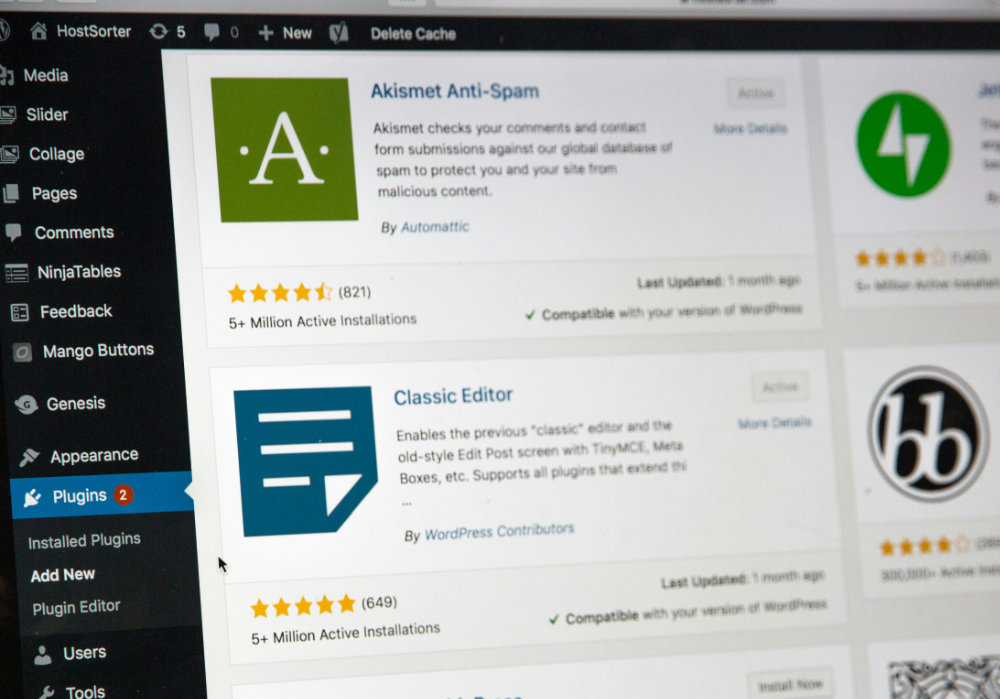
    Now, let’s talk plugins. These are the secret sauce that can take your affiliate game to the next level. You’ve got options like Lasso, which helps you manage and display your affiliate links like a pro. AAWP is a godsend if you’re into Amazon affiliate marketing – it pulls product data and creates beautiful showcases automatically. And for a more general approach, there’s Affiliatable, which lets you create comparison tables and product boxes that’ll make your visitors click those affiliate links like there’s no tomorrow.

    But here’s the kicker – you’ve got two ways to get WordPress up and running. There’s WordPress.org, which is like buying a house. You own it, you can do whatever you want with it, but you’ve got to take care of the maintenance. This is what we call self-hosting. You pick a hosting provider, install WordPress, and you’re off to the races. It gives you full control over your site, which is crucial when you’re serious about affiliate marketing.

    On the flip side, there’s WordPress.com. It’s like renting an apartment. They take care of the maintenance, but you’ve got some restrictions on what you can do. It’s easier to set up, but you might find yourself limited when it comes to monetization, especially on the lower-tier plans.

    For most affiliate marketers, self-hosting with WordPress.org is the way to go. It’s like owning your own piece of internet real estate. You can install any theme or plugin you want, customize to your heart’s content, and there are no restrictions on how you monetize your site. Plus, it often works out cheaper in the long run, especially as your site grows.

    Setting up a self-hosted WordPress site isn’t as daunting as it might sound. You pick a hosting provider – there are plenty of good ones out there like Bluehost, SiteGround, or WP Engine. They often have one-click WordPress installations, so you don’t need to mess around with databases or FTP. Once WordPress is installed, you’re ready to start building your site.

    Now, let’s talk strategy. When you’re using WordPress for affiliate marketing, content is king. You want to create valuable, engaging content that naturally incorporates your affiliate products. It’s like being at a dinner party – you don’t want to be that guy who’s always trying to sell something. Instead, you want to be the one sharing interesting stories and helpful advice. The sales will follow naturally.

    WordPress makes it easy to organize your content. You can create categories and tags to help your visitors find what they’re looking for. And with the right theme and plugins, you can create beautiful landing pages that showcase your affiliate products without looking spammy.

    One of the great things about WordPress is how SEO-friendly it is out of the box. Add a plugin like Yoast SEO or Rank Math, and you’ve got a powerful tool to help your content rank in search engines. This is crucial for affiliate marketing – the more organic traffic you can drive to your site, the more opportunities you have to earn commissions.

    But here’s the thing – success with WordPress and affiliate marketing doesn’t happen overnight. It’s like cultivating a garden. You plant the seeds (your content), nurture it (promote and update), and over time, it grows into something beautiful (and profitable). Patience and persistence are key.

    Remember, WordPress is just a tool. A powerful one, sure, but it’s how you use it that matters. Focus on creating value for your audience. Build trust. Be authentic. Use WordPress to showcase your expertise and personality. That’s what will keep people coming back to your site and clicking on your affiliate links.

    And don’t be afraid to experiment. Try different themes, test various plugins, play around with different content formats. WordPress gives you the flexibility to pivot and adapt as you learn what works best for your audience and your niche.

    In the end, WordPress is like a faithful sidekick in your affiliate marketing journey. It’s there to support you, to make your life easier, and to help you turn your passion into profit. Whether you’re reviewing tech gadgets, sharing travel tips, or showcasing the latest fashion trends, WordPress gives you the platform to reach your audience and monetize your content.

    So, what are you waiting for? Dive in, get your hands dirty, and start building that affiliate empire. With WordPress by your side, the only limit is your imagination.